Data devaluation cybersecurity graphic showing protected payment, personal, and healthcare data secured with encryption and tokenization

Devaluing Data is the Best Defense in Cybersecurity

Data devaluation protects sensitive information by making it less useful to cybercriminals. Learn how PCI-validated P2PE and vaultless tokenization can reduce data exposure, PCI DSS scope, and the impact of a breach.

Protecting PHI data at the pharmacy

Protecting PHI Data at the Pharmacy

In-store pharmacies handle PHI, PII, and payment data across interconnected systems, creating unique security and compliance challenges. Learn how encryption, tokenization, and secure integrations can help protect sensitive pharmacy data and reduce breach risk.

Navigating Payment and Data Security with Multiple PSPs

Navigating Payment and Data Security with Multiple PSPs

Multi-PSP tokenization gives organizations greater flexibility across payment service providers while helping preserve payment data ownership. Learn how PSP-agnostic tokenization can reduce vendor lock-in, strengthen security, and support scalable payment orchestration.

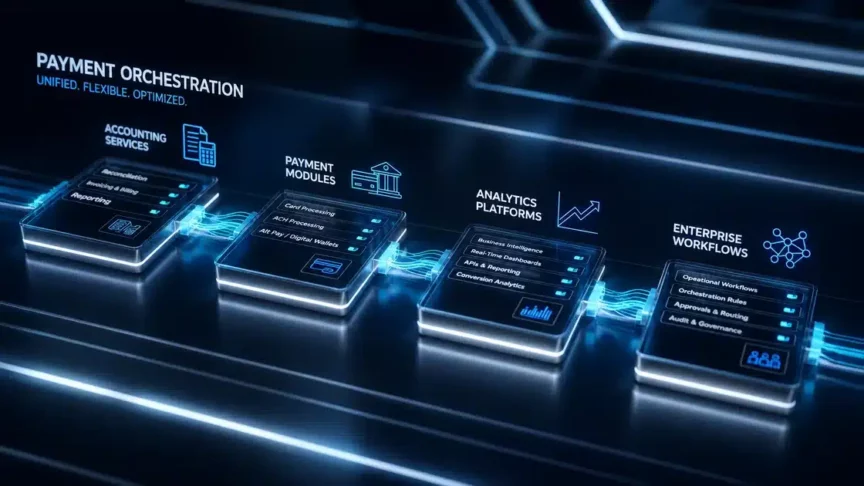
Connected payment orchestration modules showing enterprise workflows and secure data movement

Payment Orchestration Is Quietly Expanding the Attack Surface

Payment orchestration gives businesses more flexibility across providers, routes, and payment strategies, but every new connection can expand the attack surface. Learn how to protect sensitive data in motion while keeping payment infrastructure flexible.

Video: How to Stop Data Breaches in 2025

Video: How to Stop Data Breaches in 2025

2024 was the worst year on record for data breaches and cybersecurity attacks, with over 3,200 incidents and 1.7 billion…